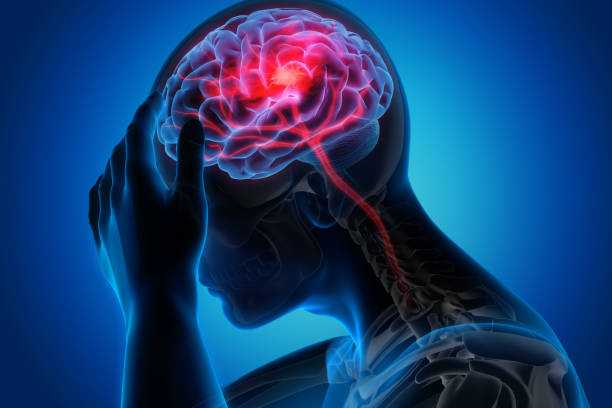
Stroke: The Silent Killer – Causes, Symptoms, Prevention, and Treatment
Stroke is a life-threatening medical emergency that requires immediate attention. Every year, millions of people worldwide are affected by this condition, which can lead to long-term disability or death if not treated promptly. Raising awareness and understanding stroke is essential for prevention and effective management.
What is a Stroke?
A stroke occurs when blood flow to a part of the brain is interrupted or reduced, preventing brain tissue from getting oxygen and nutrients. There are two main types:
- Ischemic Stroke: Caused by a blockage in a blood vessel supplying the brain.
- Hemorrhagic Stroke: Caused by the bursting of a blood vessel in the brain, leading to bleeding.
A third condition, known as a Transient Ischemic Attack (TIA) or “mini-stroke,” is a temporary blockage that serves as a warning for potential major strokes.
Signs and Symptoms of Stroke
Recognizing the signs of a stroke quickly can save lives. The acronym FAST can help:
- F - Face Drooping: Does one side of the face droop or feel numb?
- A - Arm Weakness: Is one arm weak or numb?
- S - Speech Difficulty: Is speech slurred or hard to understand?
- T - Time to Call Emergency Services: Act immediately if these symptoms occur.
Other warning signs include:
- Sudden severe headache.
- Difficulty seeing in one or both eyes.
- Sudden dizziness or loss of balance.
- Numbness or weakness on one side of the body.
Causes and Risk Factors
The primary causes of stroke are often tied to lifestyle and existing health conditions. Common risk factors include:
- High Blood Pressure: The leading cause of stroke.
- Diabetes: Can damage blood vessels over time.
- Smoking: Constricts blood vessels and increases clot risks.
- High Cholesterol: Leads to plaque buildup in arteries.
- Obesity and Sedentary Lifestyle: Increases strain on the cardiovascular system.
- Heart Disease: Conditions like atrial fibrillation raise the risk of clots.
Preventing Stroke
While some risk factors like age and genetics are beyond control, many strokes can be prevented through lifestyle changes:
- Manage Blood Pressure: Regular monitoring and medications as prescribed.
- Adopt a Healthy Diet: Incorporate fruits, vegetables, whole grains, and lean proteins while reducing salt and saturated fats.
- Quit Smoking and Limit Alcohol: Both significantly increase stroke risk.
- Stay Physically Active: Aim for at least 30 minutes of moderate exercise daily.
- Control Diabetes and Cholesterol: Follow medical advice to manage these conditions effectively.
What to Do During a Stroke
If someone shows signs of a stroke:
- Call emergency services immediately.
- Keep the person lying down with their head slightly elevated.
- Do not give them food, drink, or medication unless instructed by a medical professional.
- Stay calm and monitor their condition until help arrives.
Life After Stroke
Surviving a stroke often marks the beginning of a challenging recovery process, including physical therapy, speech therapy, and emotional support. Early rehabilitation plays a crucial role in regaining independence.
Stroke is a preventable and treatable condition if acted upon promptly. Awareness, lifestyle modifications, and quick response can save lives and reduce long-term effects. Stay informed, make healthy choices, and prioritize regular health check-ups to protect yourself and your loved ones.
Related Posts
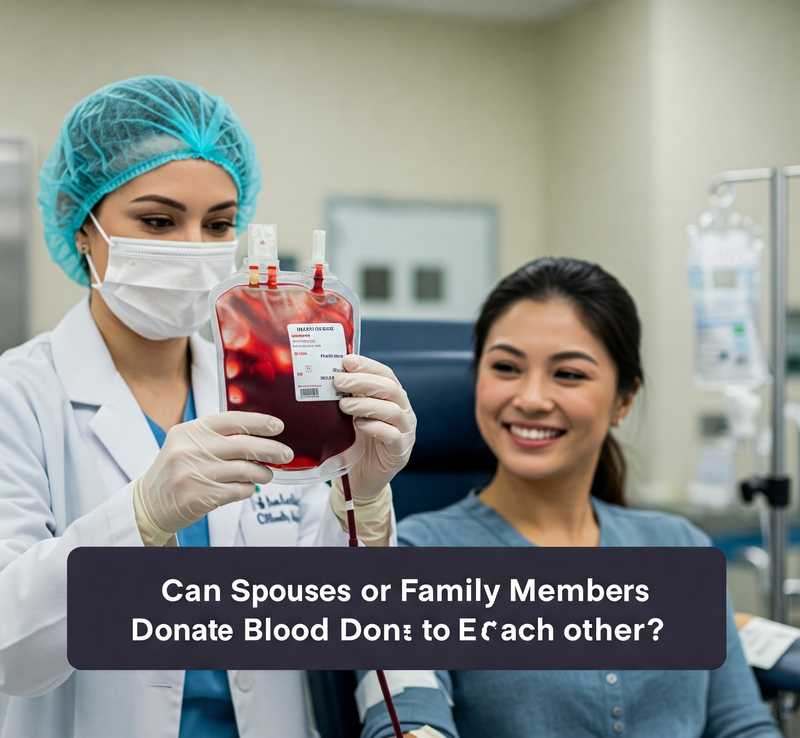
How does blood donation really work? Is it safe for spouses or family members to donate blood to one another? This blog explores whether it's safe and scientifically advisable to donate blood within the family.
Why Blood Type Matching is Crucial
The most important requirement in blood donation is a match in ABO and Rh blood types.
If the blood types do not match correctly, the recipient’s immune system can trigger a dangerous transfusion reaction.
- O-negative: Universal donor (can give to anyone)
- AB-positive: Universal recipient (can receive from anyone)
Incorrect matches can lead to life-threatening immune responses.
What is Directed Donation?
When a specific person (like a spouse or family member) donates blood for a patient, it's called a Directed Donation. This is legal in many countries but comes with some important guidelines:
- The donor must pass all screening tests
- The donation should be planned in advance
- A doctor’s approval and supervision are essential
🧪 Organizations like the Red Cross provide clear guidelines for this process.
What Are the Risks of Family Member Blood Donations?
1. GVHD (Graft-versus-Host Disease)
This is a rare but serious complication when receiving blood from a close relative.
To reduce the risk, the blood should be irradiated to disable white blood cells.
2. Alloimmunization
Receiving repeated transfusions from relatives may lead to the development of antibodies in the recipient's body, which complicates future blood transfusions.
3. Risk of Infections
Family members might feel emotional pressure to donate and could hide certain risk factors, increasing the chance of transmitting infections.
How to Ensure a Safe Blood Donation from Family
- Always consult a medical professional before accepting blood from a relative
- Verify the donor’s complete screening results
- Use irradiated blood if it’s from a close relative
- Voluntary, non-directed donors are often safer and more reliable
Yes, spouses and family members can donate blood to each other — but certain strict guidelines and safety measures must be followed. Never accept blood from relatives without consulting a healthcare provider.
Saving a life is the goal, but it must be done the safest way possible.
References:
- American Society of Hematology – Blood Matching
- Red Cross – Directed Donation Guide
- Times of India – Blood ties that can kill
- NCBI – Alloimmunization Risk in Transfusions
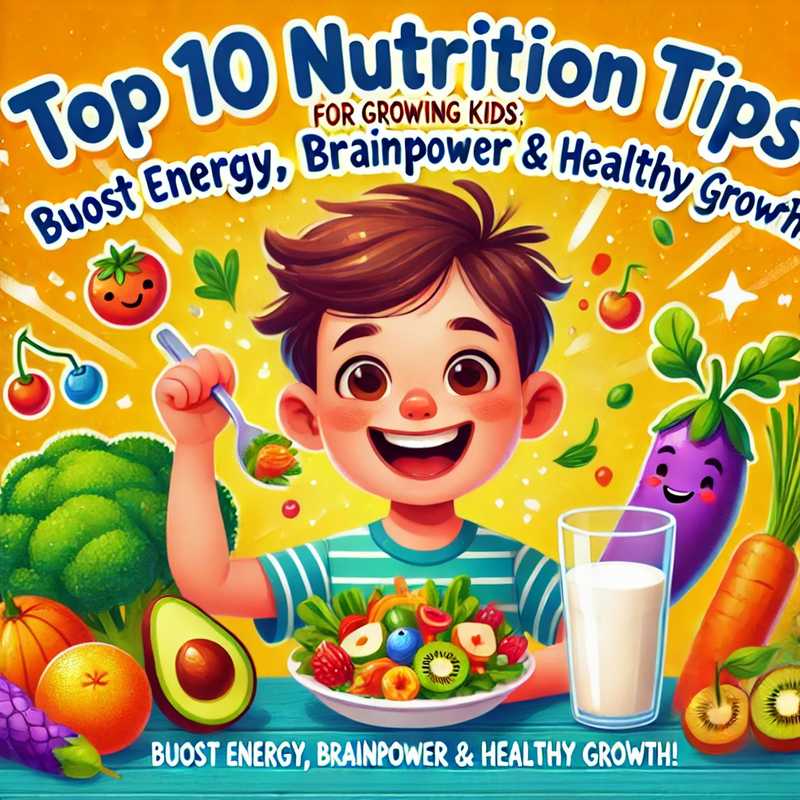
Growing children need the right nutrients to fuel their rapid physical development, busy brains, and endless energy. But between picky eating, school schedules, and snack cravings, ensuring balanced nutrition can feel like a puzzle. Backed by science and expert guidelines, these 10 practical tips will help you nourish your child’s body and mind—without the mealtime battles!
1. Prioritize Protein for Growth Spurts
Protein builds muscles, bones, and tissues, making it essential during growth spurts. Serve kid-approved options like:
- Eggs (scrambled, boiled, or in pancakes)
- Greek yogurt with berries or honey
- Lean meats, fish, or plant-based proteins like lentils and tofu.
Pro Tip: Blend silken tofu or nut butter into smoothies for a protein boost!
Reference: American Academy of Pediatrics – Protein Needs for Children
2. Choose Complex Carbs for Steady Energy
Swap sugary cereals and white bread with slow-digesting carbs to avoid energy crashes:
- Whole-grain bread, oats, or quinoa
- Sweet potatoes, brown rice, or whole-wheat pasta
Why It Works: Complex carbs provide sustained energy for school and playtime.
Reference: Dietary Guidelines for Americans – Carbohydrates
3. Fuel Brains with Omega-3 Fatty Acids
Omega-3s (DHA and EPA) are critical for cognitive development and mood regulation. Try:
- Fatty fish like salmon or sardines (bake into nuggets for picky eaters)
- Walnuts, chia seeds, or omega-3 fortified eggs.
Science Says: Studies link omega-3s to improved memory and focus in kids.
Reference: NIH – Omega-3s and Brain Health
4. Pair Calcium + Vitamin D for Strong Bones
This duo supports bone growth and immune function:
- Dairy: Milk, cheese, or low-sugar yogurt
- Non-dairy: Fortified plant milks, leafy greens, or tofu.
Bonus: Sunlight helps synthesize vitamin D—aim for 15-30 minutes of outdoor play daily!
Reference: American Academy of Pediatrics – Calcium Requirements
5. Iron-Rich Foods to Prevent Fatigue
Iron deficiency can cause tiredness and poor concentration. Include:
- Lean red meat, turkey, or chicken
- Spinach, beans, or iron-fortified cereals.
Pro Tip: Pair with vitamin C-rich foods (e.g., oranges, bell peppers) to boost absorption.
Reference: CDC – Iron Deficiency in Children
6. Serve a Rainbow of Fruits & Veggies
Colorful produce delivers antioxidants, vitamins, and fiber. Make it fun:
- Create an “Eat the Rainbow” chart for tracking daily colors.
- Sneak veggies into sauces (e.g., blended spinach in pasta sauce).
Reference: American Heart Association – Benefits of Fruits & Vegetables
7. Hydrate with Water, Not Sugary Drinks
Dehydration leads to irritability and fatigue. Encourage water with:
- Fruit-infused water (add strawberries or cucumber slices)
- Homemade popsicles made from diluted juice.
Avoid: Sugary sodas and juices linked to obesity and tooth decay.
Reference: WHO – Sugar Guidelines for Children
8. Smart Snacking for Nutrient Gaps
Replace chips and cookies with wholesome snacks:
- Apple slices + almond butter
- Hummus + veggie sticks
- Trail mix (nuts, seeds, dark chocolate chips).
Reference: CDC – Healthy Snack Ideas
9. Limit Added Sugars
Excess sugar harms energy levels, teeth, and long-term health. Check labels for hidden sugars in:
- Flavored yogurts, granola bars, and cereals.
Swap: Offer fruit-based desserts like banana “nice cream” or berry parfaits.
Reference: American Heart Association – Sugar Limits
10. Family Meals Build Healthy Habits
Shared meals improve diet quality and family bonds:
- Involve kids in meal prep (they’ll eat veggies they’ve chopped!).
- Keep conversations positive—no pressure to clean plates.
Reference: Journal of Family Psychology – Benefits of Family Meals
Sample Kid-Friendly Meal Plan
- Breakfast: Oatmeal with blueberries + scrambled eggs
- Lunch: Turkey & avocado wrap + carrot sticks + apple
- Snack: Yogurt with granola + sliced banana
- Dinner: Baked salmon, quinoa, and roasted broccoli
Common Nutrition Mistakes to Avoid
- Skipping breakfast (linked to poor focus in school).
- Over-relying on processed “kid foods” (e.g., chicken nuggets, fries).
- Restricting treats entirely (balance prevents binge-eating).
Nutrition isn’t about perfection—it’s about progress! By incorporating these tips, you’ll support your child’s immunity, brainpower, and growth while fostering a positive relationship with food. Small changes today = lifelong health rewards!
References
Additional Resources:
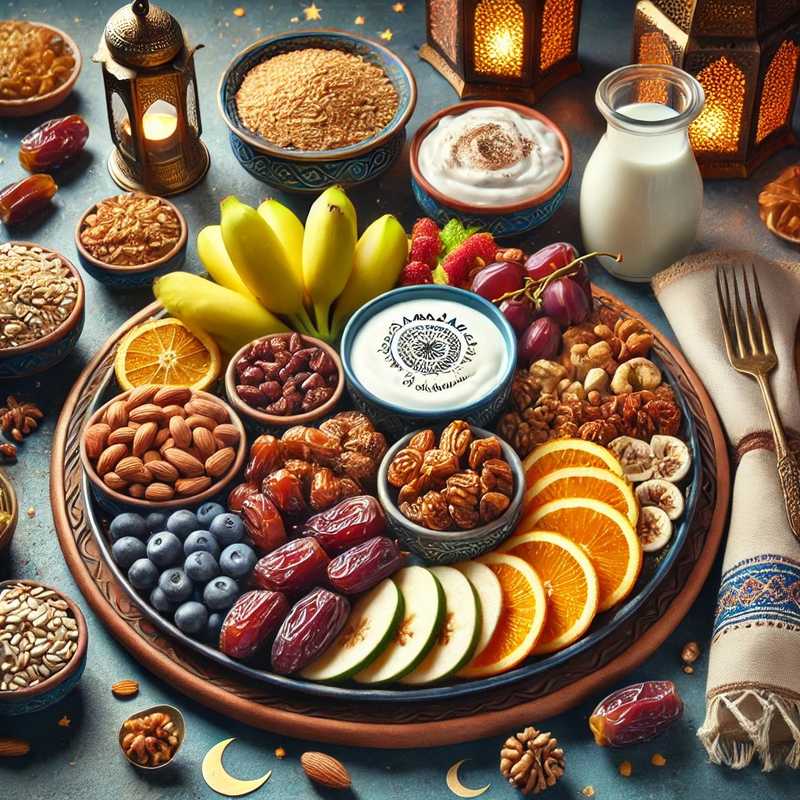
Stay nourished, hydrated, and energized during Ramadan with these science-backed dietary tips.
Why Nutrition Matters During Ramadan
Fasting during Ramadan requires careful planning to maintain energy levels, avoid dehydration, and sustain overall health. Choosing nutrient-dense foods at Suhoor (pre-dawn meal) and Iftar (evening meal) can help you power through the day while honoring the spiritual essence of the month.
Top 10 Foods to Energize Your Fast
1. Dates
- Why: Rich in natural sugars (glucose, fructose), fiber, potassium, and magnesium, dates replenish energy quickly and prevent muscle cramps.
- Science: A study in Nutrition Journal found dates stabilize blood sugar levels after fasting (Alkaabi et al., 2011).
- How to Eat: Break your fast with 1-3 dates + water to kickstart digestion.
2. Whole Grains (Oats, Quinoa, Brown Rice)
- Why: Slow-digesting carbs provide sustained energy and prevent hunger spikes.
- Science: The WHO recommends whole grains for stable blood glucose (WHO, 2023).
- How to Eat: Oatmeal at Suhoor or quinoa salads at Iftar.
3. Protein-Rich Foods (Eggs, Lentils, Chicken)
- Why: Protein preserves muscle mass and keeps you full longer.
- Science: A study in The American Journal of Clinical Nutrition highlights protein’s role in reducing hunger during fasting (Leidy et al., 2015).
- How to Eat: Grilled chicken, lentil soup, or boiled eggs at Suhoor.
4. Hydrating Fruits (Watermelon, Cucumber, Oranges)
- Why: High water content (90%+) combats dehydration.
- Science: The European Food Safety Authority emphasizes hydration for cognitive function during fasting (EFSA, 2010).
- How to Eat: Add watermelon to Iftar or cucumber to salads.
5. Nuts and Seeds (Almonds, Chia Seeds)
- Why: Healthy fats and fiber curb cravings and boost energy.
- Science: The Journal of Nutrition links nuts to improved satiety (Mattes et al., 2008).
- How to Eat: A handful of almonds at Suhoor or chia pudding.
6. Yogurt or Laban
- Why: Probiotics aid digestion; calcium supports bone health.
- Science: The International Journal of Food Sciences and Nutrition notes yogurt’s role in gut health during fasting (Marette et al., 2017).
- How to Eat: Pair with fruit or oats at Suhoor.
7. Leafy Greens (Spinach, Kale)
- Why: Iron and magnesium fight fatigue and muscle cramps.
- Science: The NIH highlights iron’s role in oxygen transport during fasting (NIH, 2021).
- How to Eat: Add to soups or smoothies.
8. Avocado
- Why: Monounsaturated fats provide long-lasting energy.
- Science: A Nutrition Reviews study links avocados to improved metabolic health (Dreher et al., 2013).
- How to Eat: Spread on whole-grain toast or add to salads.
9. Lentils and Legumes
- Why: Fiber + protein = sustained energy and stable blood sugar.
- Science: The Harvard School of Public Health recommends legumes for fasting diets (Harvard T.H. Chan, 2023).
- How to Eat: Lentil soup or hummus at Iftar.
10. Herbal Teas (Ginger, Mint)
- Why: Soothe digestion and reduce bloating.
- Science: The Journal of Ethnopharmacology highlights ginger’s anti-inflammatory benefits (Grzanna et al., 2005).
- How to Eat: Sip after Iftar to aid digestion.
Foods to Avoid
- Processed Sugars (sodas, sweets): Cause energy crashes.
- Fried Foods: Slow digestion and trigger fatigue.
- Excess Caffeine: Dehydrates the body.
Pro Tips for Suhoor & Iftar
- Suhoor: Prioritize protein + fiber (e.g., eggs + whole-grain bread).
- Iftar: Start with dates + water, then a balanced meal (protein, veggies, carbs).
- Hydrate: Aim for 8 cups of water between Iftar and Suhoor.
References
- Alkaabi, J. M., et al. (2011). Glycemic indices of five varieties of dates in healthy and diabetic subjects. Nutrition Journal.
- WHO. (2023). Healthy Diet. World Health Organization.
- Leidy, H. J., et al. (2015). The role of protein in weight loss and maintenance. The American Journal of Clinical Nutrition.
- EFSA. (2010). Scientific Opinion on Dietary Reference Values for Water. European Food Safety Authority.
- Harvard T.H. Chan School of Public Health. (2023). Legumes and Pulses.
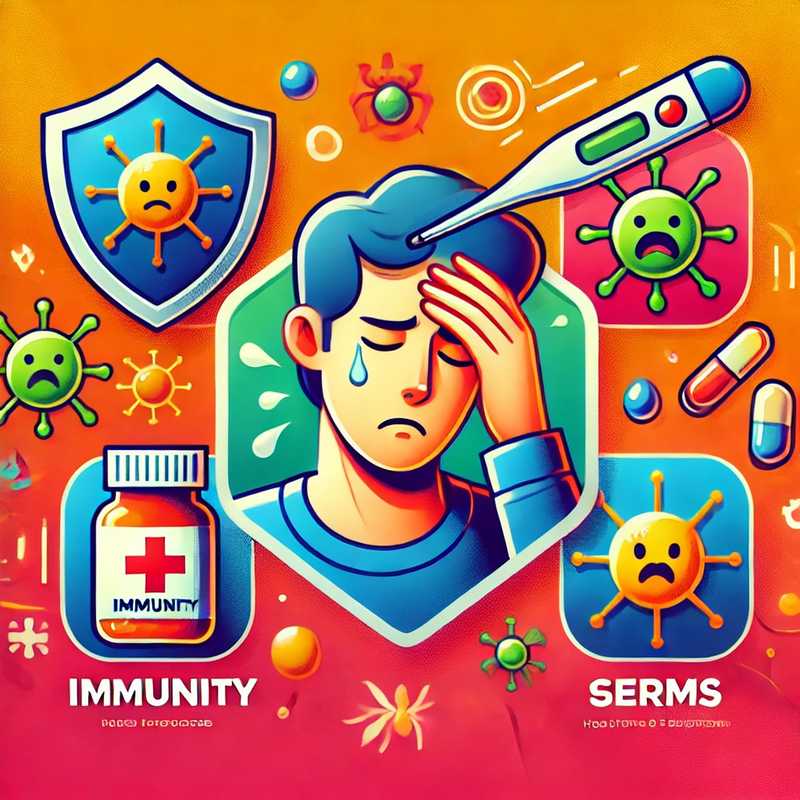
Your immune system is your body's first line of defense against infections, bacteria, viruses, and other pathogens. However, when your immune system becomes weak, you may fall sick more easily. But how can you tell if your immune system or disease resistance is weak? In this blog, we’ll discuss the signs, causes, and solutions to strengthen your immunity.
Signs of a Weak Immune System
- Frequent Illness:
If you often catch colds, flu, or other infections, it could be a sign of a weak immune system. - Fatigue and Weakness:
Feeling tired even after adequate sleep may indicate low immunity. - Slow Wound Healing:
If cuts or wounds take longer than usual to heal, it could be a sign of a weakened immune system. - Digestive Issues:
Frequent stomach problems like diarrhea, gas, or bloating may suggest poor immunity. - Stress and Anxiety:
Chronic stress can weaken your immune system over time.
Causes of a Weak Immune System
- Unhealthy Diet: Lack of vitamins, minerals, and antioxidants can weaken immunity.
- Lack of Sleep: Inadequate sleep reduces immune system efficiency.
- Chronic Stress: Prolonged stress hampers the production of immune cells.
- Physical Inactivity: A sedentary lifestyle can weaken your immune system.
- Smoking and Alcohol: These habits can damage your immune system.
How to Strengthen Your Immune System
- Eat a Balanced Diet:
Include fruits, vegetables, proteins, and healthy fats in your diet. Vitamins like C, D, and zinc are essential for immunity. - Exercise Regularly:
Aim for at least 30 minutes of moderate exercise, such as walking, cycling, or yoga, every day. - Get Enough Sleep:
Try to sleep 7-8 hours every night to support your immune system. - Manage Stress:
Practice meditation, yoga, or hobbies to reduce stress levels. - Avoid Smoking and Alcohol:
These habits can harm your immune system.
References
- Harvard Health Publishing. (2021). How to boost your immune system. Retrieved from https://www.health.harvard.edu
- National Institutes of Health (NIH). (2020). The Immune System and Primary Immunodeficiency. Retrieved from https://www.nih.gov
- Mayo Clinic. (2022). How to strengthen your immune system. Retrieved from https://www.mayoclinic.org
Popular Blogs
Maternal Health and Pregnancy Care in Bangladesh: Progress, Challenges, and the Way Forward
Stay Healthy in Bangladesh: 10 Practical Tips for a Balanced Lifestyle
Top 10 Superfoods for Healthy Aging: Nourish Your Body, Boost Longevity
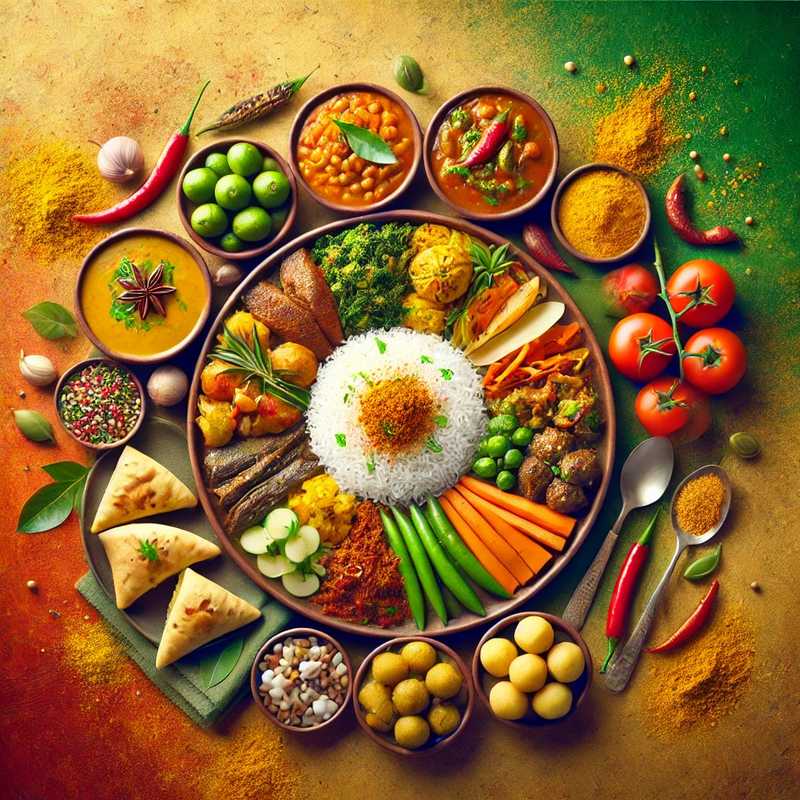
The benefits of traditional Bangladeshi foods
Ramadan Nutrition Guide Top 10 Foods to Energize Your Fast
TAGS
Stroke
Silent killer
Stroke symptoms
Stroke causes
Stroke treatment
Stroke prevention
Types of stroke
Stroke recovery
Ischemic stroke
Hemorrhagic stroke
Mini-stroke (TIA)
Stroke risk factors
Stroke warning signs
Stroke diagnosis
Stroke survival rates
Stroke rehabilitation
Stroke in young adults
what is a stroke
silent killer
stroke definition
stroke causes
stroke risk factors
what causes a stroke